How to Extend the Life of Your Water Well Pump
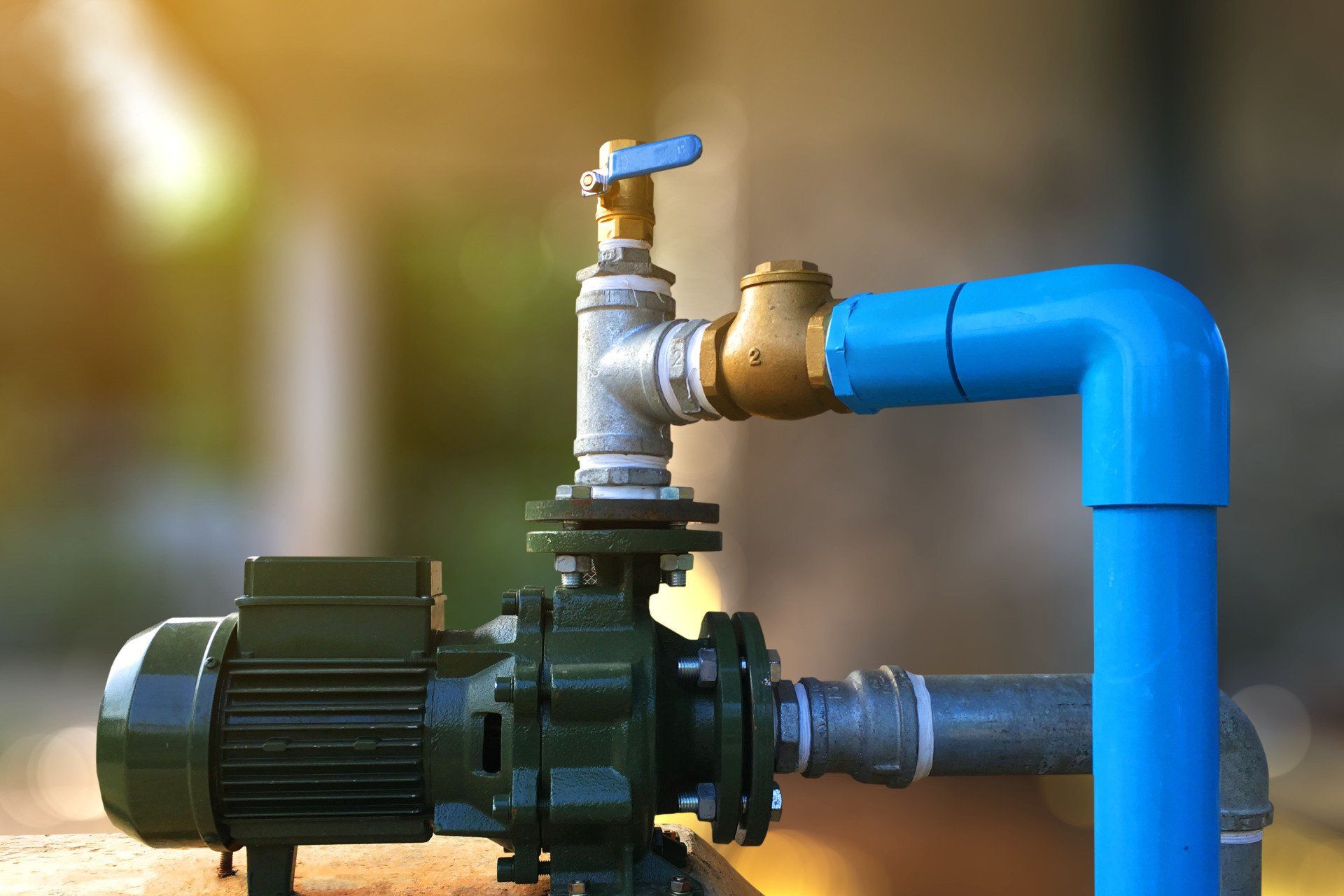
A water well pump is a crucial part of maintaining a reliable water supply for your home or property. Proper maintenance and proactive care can significantly extend its lifespan and prevent costly breakdowns. By understanding best practices and investing in professional water pump maintenance, homeowners can ensure their system remains efficient for years to come.
Understanding the Lifespan of a Water Well Pump
Knowing the typical lifespan of your well pump helps set realistic expectations for maintenance and replacement. According to Home Serve, a well pump's lifespan is roughly 15 years on average. Factors such as water quality, frequency of use, and system design can impact this timeline. Being aware of these variables allows homeowners to implement preventative measures that minimize wear and tear.
Scheduling Regular Water Pump Maintenance
Regular water pump services are essential for maintaining performance and identifying minor issues before they escalate. Annual inspections by licensed professionals can catch problems like worn bearings, leaks, or pressure fluctuations. Water pump maintenance services include checking electrical components, cleaning filters, and testing system output to ensure your pump operates efficiently and safely. Proactive servicing reduces the likelihood of sudden failures and extends the pump’s overall lifespan.
Monitoring Water Quality
Water quality plays a significant role in the longevity of your well pump. Hard water, sediment, and high mineral content can cause corrosion, scale buildup, and blockages in pipes and pumps. Installing sediment filters or water softeners and conducting periodic water testing can help mitigate these effects. By monitoring and treating water appropriately, you prevent unnecessary strain on your pump and improve the efficiency of your water system.
Checking for Pressure Fluctuations
Consistent water pressure is critical for the proper operation of a water well pump. Fluctuating pressure may indicate issues such as leaks, clogged pipes, or a failing pressure tank. Regularly inspecting your system and addressing anomalies promptly can prevent damage to both the pump and your plumbing. Water pump maintenance professionals can test pressure levels and make adjustments to maintain steady, reliable output.
Inspecting Electrical Components
A water well pump relies on a variety of electrical components, including motors, relays, and circuit breakers, to function properly. Faulty wiring or worn connections can lead to overheating, reduced performance, or complete pump failure. Regular inspections during water pump maintenance will ensure that electrical systems are safe, correctly wired, and functioning efficiently. Addressing electrical issues early prevents damage and reduces the risk of costly repairs.
Maintaining the Pressure Tank
The pressure tank works in tandem with your well pump to regulate water flow and reduce cycling. An improperly maintained tank can cause the pump to run more frequently, increasing wear on the system. Check the air charge in the tank regularly and inspect for leaks or rust. Proper tank maintenance complements water pump services and extends the overall life of your system.
Cleaning and Flushing the System
Debris, sediment, and mineral buildup can reduce efficiency and lead to premature pump failure. Periodic cleaning and flushing of your well system remove these obstructions and restore optimal flow. Water pump maintenance often includes thorough cleaning of pipes, filters, and the pump itself to maintain smooth operation. Regular flushing prevents blockages, improves water quality, and prolongs the pump’s functional life.
Lubricating Moving Parts
Many well pumps contain moving parts that require proper lubrication to operate smoothly. Bearings, shafts, and motors should be inspected and lubricated according to manufacturer recommendations. Neglecting lubrication can lead to increased friction, overheating, and accelerated wear. Water pump services typically include lubrication, ensuring that mechanical components remain in optimal condition for years of reliable performance.
Preventing Pump Cycling
Frequent on-and-off cycling can strain the pump, reduce efficiency, and shorten its lifespan. Issues such as low water supply, leaks, or a faulty pressure switch can cause excessive cycling. Installing a correctly sized pressure tank and performing regular inspections help prevent unnecessary cycles. Water pump maintenance professionals can adjust settings and diagnose underlying problems to ensure smooth, continuous operation.
Protecting Against Freezing
Cold weather can cause significant damage to water well pumps if not properly protected. Insulate exposed pipes and pumps, and consider using heated enclosures in regions with severe winter temperatures. Frozen pipes or a frozen pump can lead to cracking, leaks, and system failure. Proactive winter preparation, combined with routine water pump maintenance, reduces the risk of freeze-related damage.
Inspecting for Leaks
Leaks are a common cause of reduced water pressure and increased wear on a well pump. Inspect the system regularly for signs of leaks in pipes, fittings, or the pump itself. Even small leaks can force the pump to work harder, accelerating wear and shortening its lifespan. Prompt repairs, often performed during water pump maintenance, help maintain optimal performance and protect the system from damage.
Replacing Worn Components
Over time, components like impellers, seals, and bearings naturally wear out. Replacing these parts before failure can prevent further damage and keep the pump running efficiently. Water pump services include identifying and replacing worn components, ensuring the system continues to function reliably. Proactive replacement is often more cost-effective than waiting for a complete pump failure.
Monitoring Water Levels
Adequate water levels in the well are critical for preventing pump damage. Running a pump dry or at low water levels can cause overheating, cavitation, and mechanical failure. Monitor water levels regularly, and consider installing sensors or alarms that alert you when levels drop below safe operating thresholds. Coupling water monitoring with professional water pump services ensures long-term protection and system longevity.
Installing Surge Protection
Electrical surges can severely damage water well pumps and related components. Installing surge protectors for your pump system safeguards against voltage spikes caused by storms, grid fluctuations, or equipment malfunctions. Water pump maintenance professionals can recommend and install appropriate surge protection, reducing the risk of costly electrical damage. Protecting your pump from surges extends its functional life and prevents unexpected downtime.
Planning for Long-Term Maintenance
Extending the life of your water well pump requires a proactive, long-term maintenance strategy. Develop a schedule that includes regular inspections, component replacements, system flushing, and professional water pump maintenance. Anticipating seasonal changes, water usage patterns, and potential system upgrades ensures your pump operates efficiently and reliably for years. A long-term approach minimizes emergency repairs, maximizes performance, and protects your investment.
Keeping Accurate Maintenance Records
Documenting all maintenance activities, repairs, and inspections helps track the health of your water well pump. Accurate records allow water pump maintenance professionals to identify recurring issues, predict future maintenance needs, and adjust schedules accordingly. Maintaining detailed records also supports warranty claims and provides evidence of proper upkeep, further protecting your pump and ensuring regulatory compliance.
Educating Users on Proper Operation
Improper use can significantly reduce the lifespan of a well pump. Educate all household members or staff on proper operation, including avoiding overuse, turning off the pump during repairs, and not running water when levels are critically low. Combining user education with regular water pump maintenance ensures the system is used safely and efficiently, preventing unnecessary strain and extending its overall life.
Proper care and regular maintenance are essential for extending the life of your water well pump. By scheduling water pump maintenance, monitoring water quality and levels, and addressing issues early, homeowners can maximize efficiency and reliability. Following these strategies ensures your well pump remains functional, safe, and cost-effective for many years. If you are looking for water pump services, contact Keyser Well Drilling & Pump Company today to learn more and get started!
Share On: