
What Is Hydrofracturing?
When exploring modern water extraction and resource management techniques, hydrofracturing stands out as a highly innovative procedure. Often referred to as fracking, this technique is traditionally known for extracting oil and gas from deep underground rock formations. The process involves the high-pressure injection of a specialized mixture comprising water, sand, and minor chemical additives into subterranean rocks. This creates small fractures through which valuable resources flow more freely for extraction. While it originated in the mid-20th century for heavy industrial use, its underlying principles have evolved significantly over the decades. Today, its applications extend far beyond the fossil fuel sector, playing a vital role in geothermal energy production and the rehabilitation of residential and commercial water wells.
The core significance of hydrofracturing lies in its unique ability to clear structural blockages and unlock previously inaccessible underground channels, which significantly boosts production yields. Whether a property owner is searching for a more reliable daily supply or trying to revive an older system, innovative extraction techniques offer an excellent solution. A heavy-duty water pump serves as the mechanical heart of this process, providing the necessary force to deliver pressurized fluids deep into the rock formations. According to the New Hampshire Department of Environmental Services, the water well industry has utilized hydrofracturing since the 1990s, proving it to be a safe and efficient method for increasing property water supplies over the last several decades.
Exploring the Mechanical Process
Hydrofracturing is a detailed, multi-step procedure that begins by analyzing the specific geology of a well site to determine the best approach. Once the shaft is established or cleared, technicians seal off specific zones within the well to target areas with the highest potential for increased water flow. A specialized high-pressure mixture is then introduced into these isolated zones to gently open existing fissures within the rock layout. This mixture consists mostly of clean water combined with proppant materials like sand, which help keep the brand-new fractures open once the pressure is released. The newly opened pathways allow groundwater to flow smoothly into the central shaft, providing a long-term boost to the system's overall output.
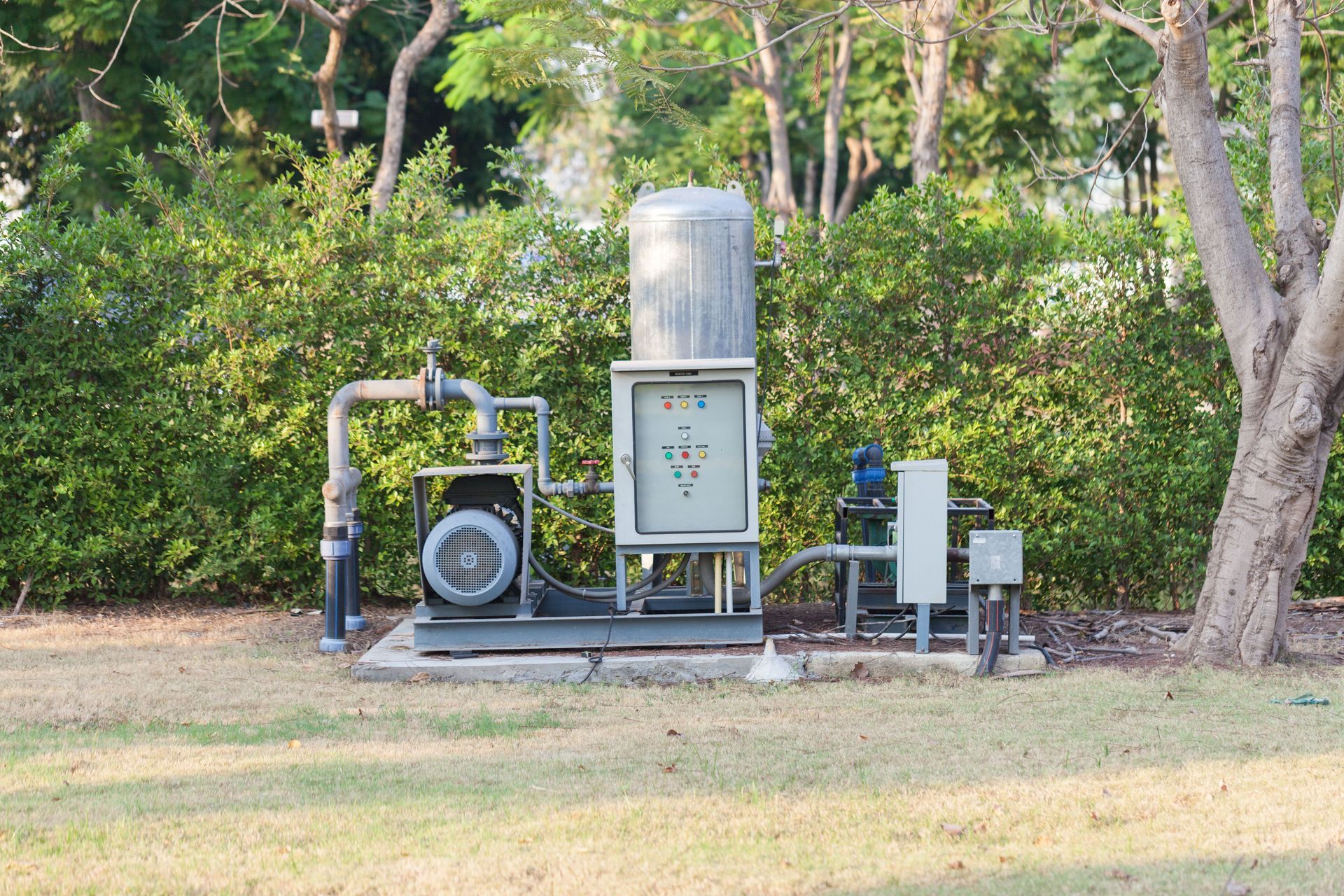
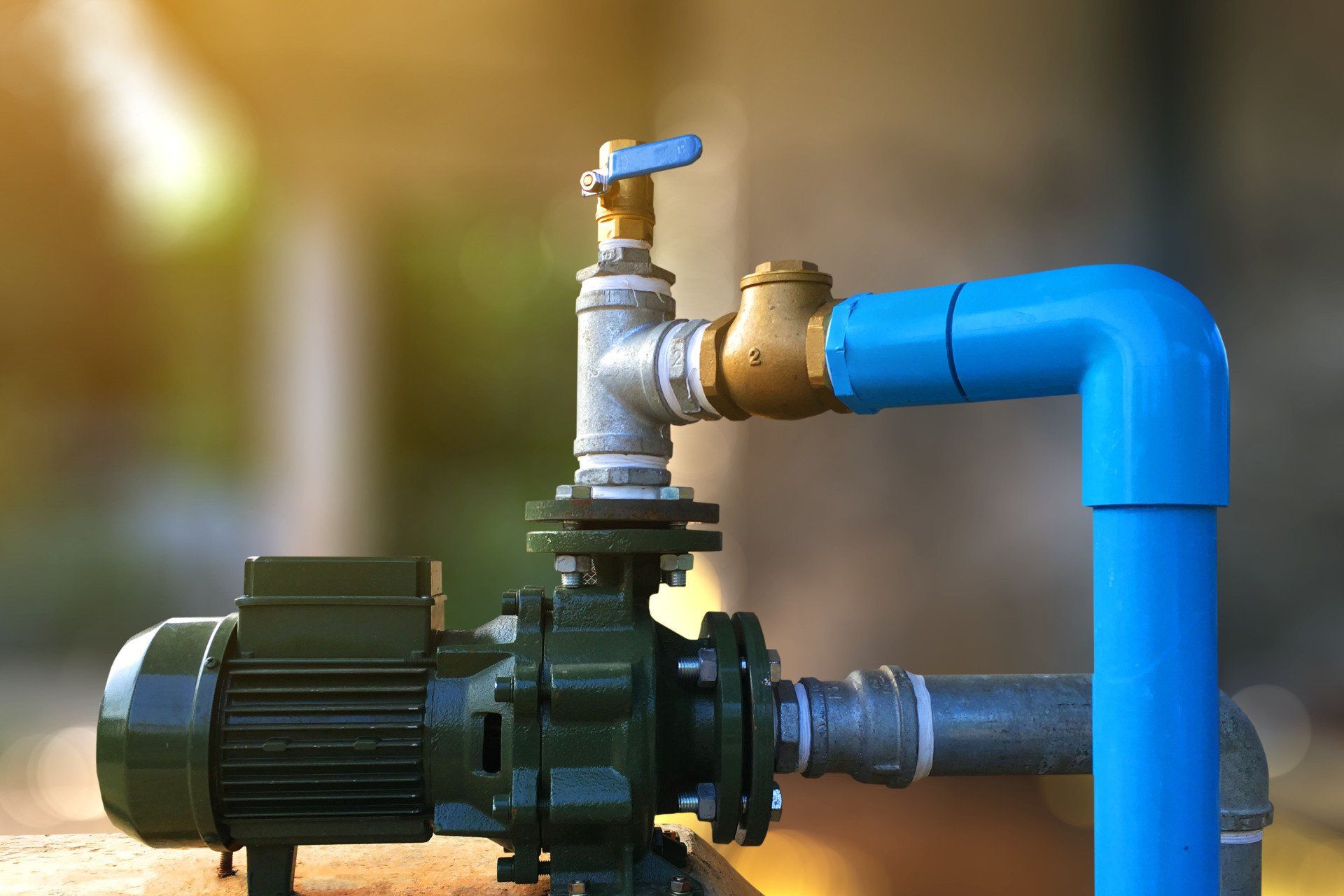
A specialized water pump is absolutely integral to this entire operation, as it swiftly and efficiently delivers the high-pressure fluids needed to open up the tight rock formations. The robust design of these specialized units allows them to operate smoothly under the extreme physical pressures required during a deep well development project. Through continuous advancements in engineering, the overall efficiency and precision of these systems have greatly improved, enabling safer and more predictable outcomes for property owners.
Prioritizing Safety Measures
Strict safety measures are deeply embedded into every phase of modern well development to protect property owners, local technicians, and the surrounding landscape. Regular maintenance and detailed inspections of all onsite machinery, especially the primary water pump, are crucial steps to prevent operational risks before work ever begins. Structural integrity checks of well casings and continuous monitoring of local geological stability are vital tasks performed before and during the pressurized injection phase. Adherence to established safety protocols is strictly enforced by professional teams to safeguard against any type of equipment failure on the job site.
Advanced digital monitoring technologies play an incredibly significant role in ensuring complete safety throughout the hydrofracturing process. Electronic sensors and automated control systems continuously track fluid pressures, underground flow rates, and other critical operational parameters in real time. This constant flow of data enables technicians to respond instantly to minor geological changes, minimizing hazards and optimizing overall pump performance. Rigorous training programs for field operators further enhance onsite safety, ensuring that personnel are well-versed in managing high-pressure machinery and handling unexpected environmental variables.
Evaluating Environmental Standards
Modern well development relies heavily on precise water management strategies to maintain high efficiency while respecting the surrounding ecosystem. Technicians must handle substantial fluid volumes to maintain the exact pressures needed to create structural fractures and clear away historical sediment blockages. Because local water conservation is an important topic for property owners, efficient fluid management strategies are utilized to minimize any unnecessary environmental impact.
Innovations in modern water pump design focus heavily on optimizing fluid delivery, ensuring every gallon is used as judiciously as possible during the development process. Modern extraction systems allow for the precise recycling and containment of fluids on-site, which greatly reduces the total volume of fresh water required for a standard operation. Implementing these advanced, enclosed routing practices is essential to preserving vital groundwater resources for neighboring communities and regional ecosystems.
Optimizing Long-Term Yields
From an economic and practical perspective, investing in advanced well development significantly reduces a property owner's reliance on external water sources. By optimizing a domestic or agricultural well, individuals can secure complete water independence and protect themselves from rising municipal utility rates. This operational reliability ensures that homes, farms, and local commercial buildings maintain a stable water supply regardless of seasonal weather fluctuations or municipal restrictions. Utilizing an efficient water pump system is fundamental to maintaining this self-sufficiency, as it directly influences how reliably water moves from deep underground reservoirs to the surface.
The enhanced precision and reliable output offered by modern water pump technology have vastly bolstered the productivity of modern private wells. This specialized mechanical equipment allows property owners to access deeper, cleaner aquifers that were previously unreachable with older, standard machinery. With continuous advancements in residential fluid technology, modern systems can easily meet growing daily water demands while reinforcing the integrity of the well infrastructure.
Understanding System Longevity
Over the long term, regular system updates and professional maintenance play a massive role in preserving the structural health of a private water supply. Continuous advancements in filtration technology and pressure management are essential for sustaining the relevance and competitiveness of a private well system. This ongoing innovation paves the way for advanced residential setups that redefine how water is stored, filtered, and distributed throughout a property. The dynamic nature of modern well management positions it at the forefront of sustainable rural and suburban living.
Integrating a highly durable water pump into your system plays a pivotal role in enabling efficient resource management while drastically reducing monthly energy costs. As your property's infrastructure evolves over time, it must balance immediate water demands with regular mechanical upkeep to ensure a viable, long-term future. Professional structural assessments and routine water quality testing often guide these maintenance schedules, preserving the purity and flow rate of your supply.
Navigating the complexities of modern water systems reveals a landscape filled with both incredible potential and unique structural challenges. Technological innovations continue to streamline domestic water delivery, enhance system connectivity, and open up safer avenues for deep groundwater extraction. Yet, with these mechanical advancements comes the responsibility of maintaining strict safety standards, proper filtration, and reliable plumbing seals. As we look toward the future of home management, balancing immediate technological progress with responsible maintenance is essential to ensure that your water supply remains pure and abundant.
Looking ahead, collaboration between property owners and certified groundwater specialists will be absolutely crucial to keeping private systems running at peak performance. With a shared commitment to sustainable well development, proper mechanical upkeep, and regular water quality testing, the full promise of private utility independence can be realized. If you are ready to improve your property's water pressure, increase your well's total output, or install a highly dependable system tailored to your specific needs, contact the dedicated professionals at Keyser Well Drilling & Pump Company.

Share On: